-
Continue reading →: The Use of Recipes
Or… What I did, when I did that thing, (and why) Broadly, there are two schools of cooking: Baking and Pastry the crafting or breads, cakes, chocolates, confections, pastries, and plated desserts.The other is commonly called “Savory”. The protein, vegetable and starch cuisine you know as “cooking”. Baking and Pastry…
-
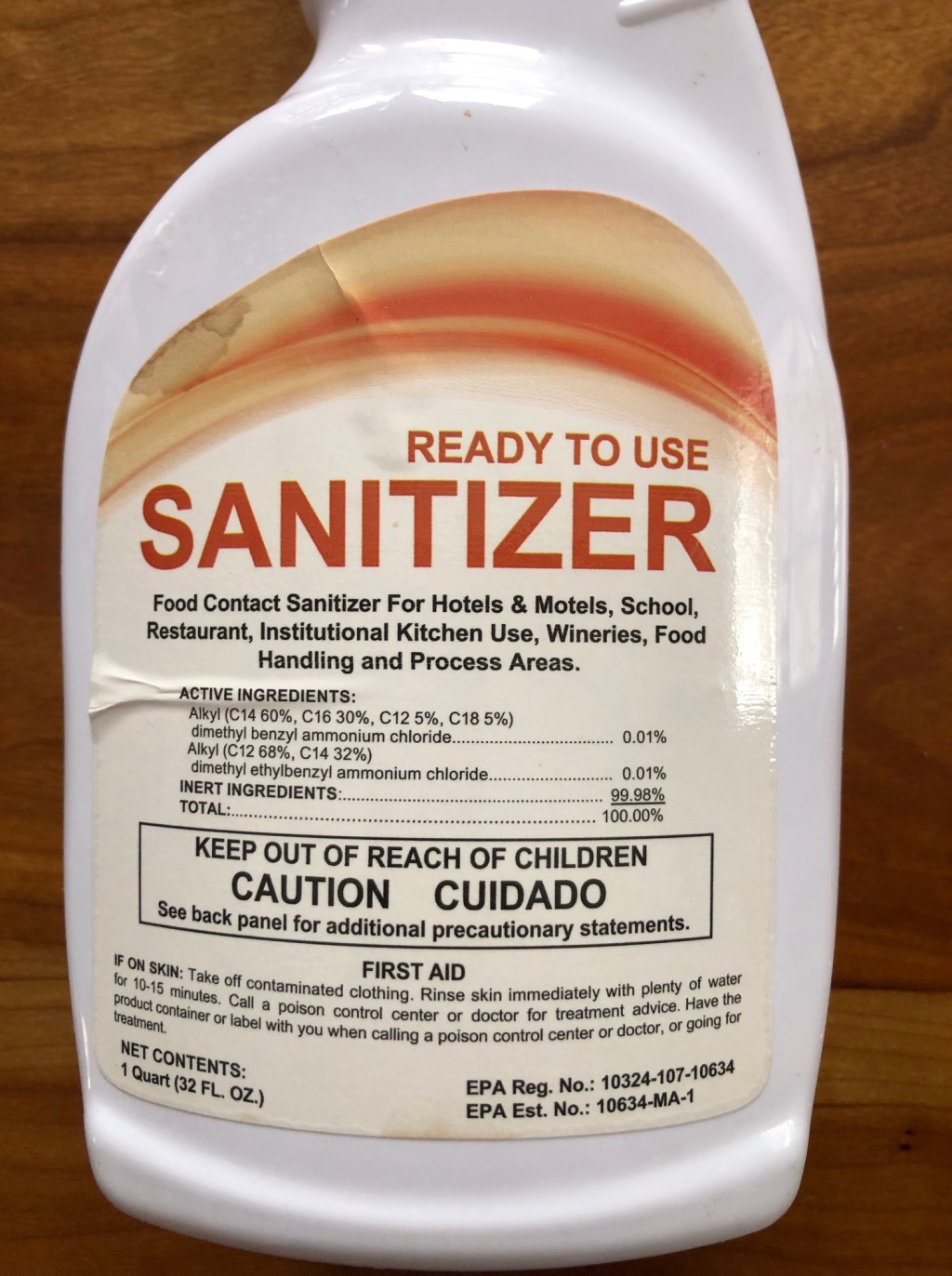 Continue reading →: Food Safety – Surfaces and Equipment Sanitization
This will be a longer-than-normal post. Please don’t tldr; as the information is necessary for future reference. Now that you’re working with clean hands, the next step is to work with clean surfaces, utensils, pots, pans, and containers.If you’re blessed with a dishwashing machine, most of the time you’re good-to-go…
-
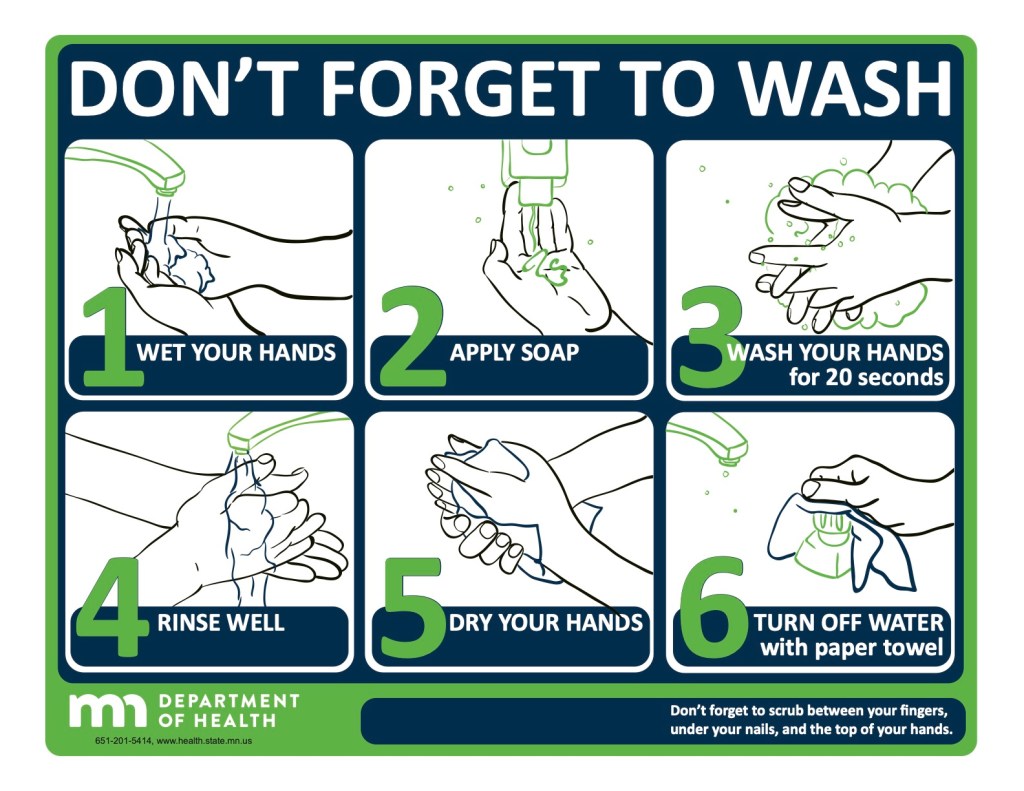 Continue reading →: Food Safety – Hand Washing
Post-COVID, we should all be familiar with hand washing, and sanitizers.Yet how many of use really really follow the best practices?In the accompanying graphic from the MN Department of Health, the 6 steps are shown. Seems simple, right?How often should you wash your hands when preparing food at home?That answer…
-
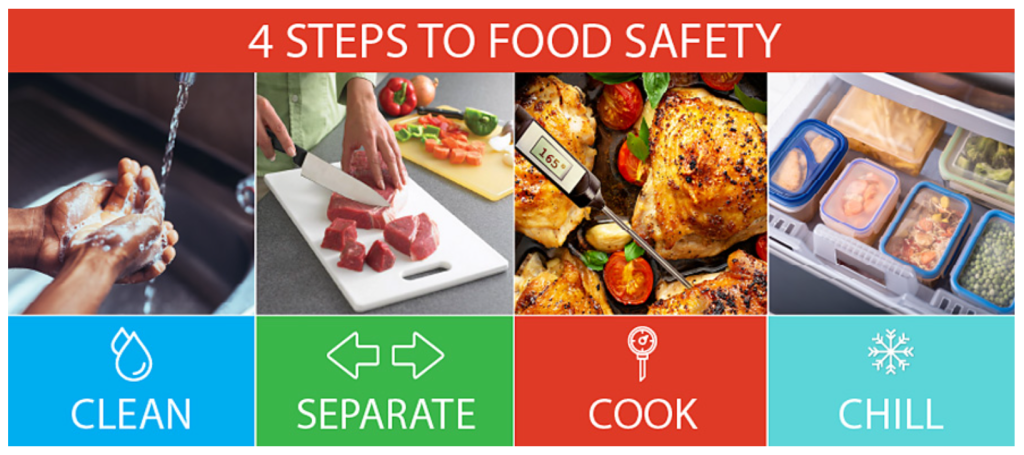 Continue reading →: Understanding Food Safety
Today we’ll begin to address residential food safety. Topics that will be covered in upcoming posts: • Hand washing and personal hygiene.• Purchasing and storing food.• Preparing raw food.• Cooking food.• Storing food.• Reheating food.• Food Allergens Source Materials:The CDC Food Safety Index Page The CDC Four Steps to Food…
-
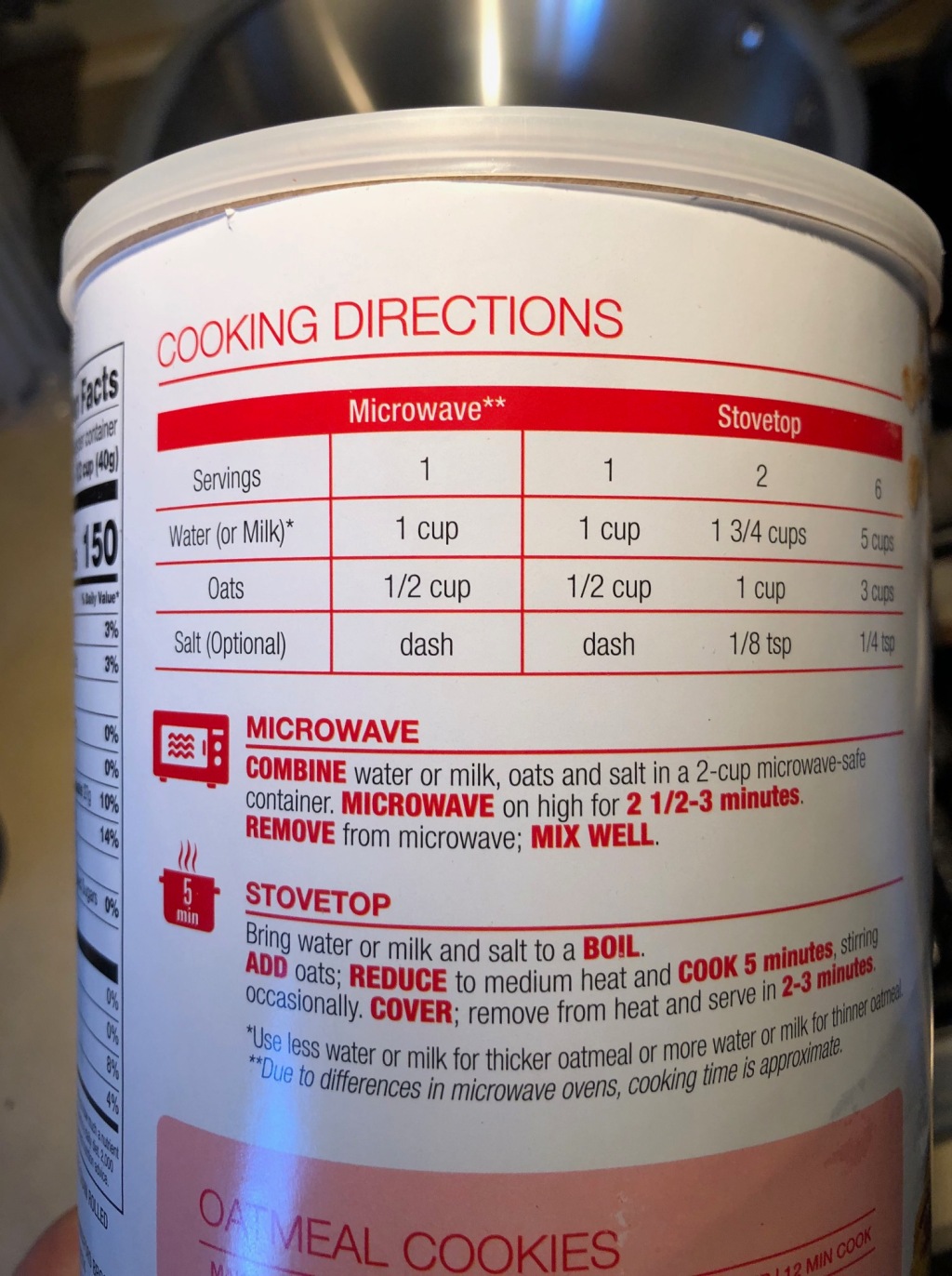 Continue reading →: Understanding Recipes
You learn something new every day. Growing up, there were two prominent cookbooks in area homes.The Fannie Farmer Boston Cooking- School Cookbook originally published in 1896, likely held by your grandmother, and the red and white cover General Mills Betty Crocker Cookbook published in 1950, that your mother received as…
-
 Continue reading →: The Kitchen Garden ~ Parsley from Seeds – updated w/photos
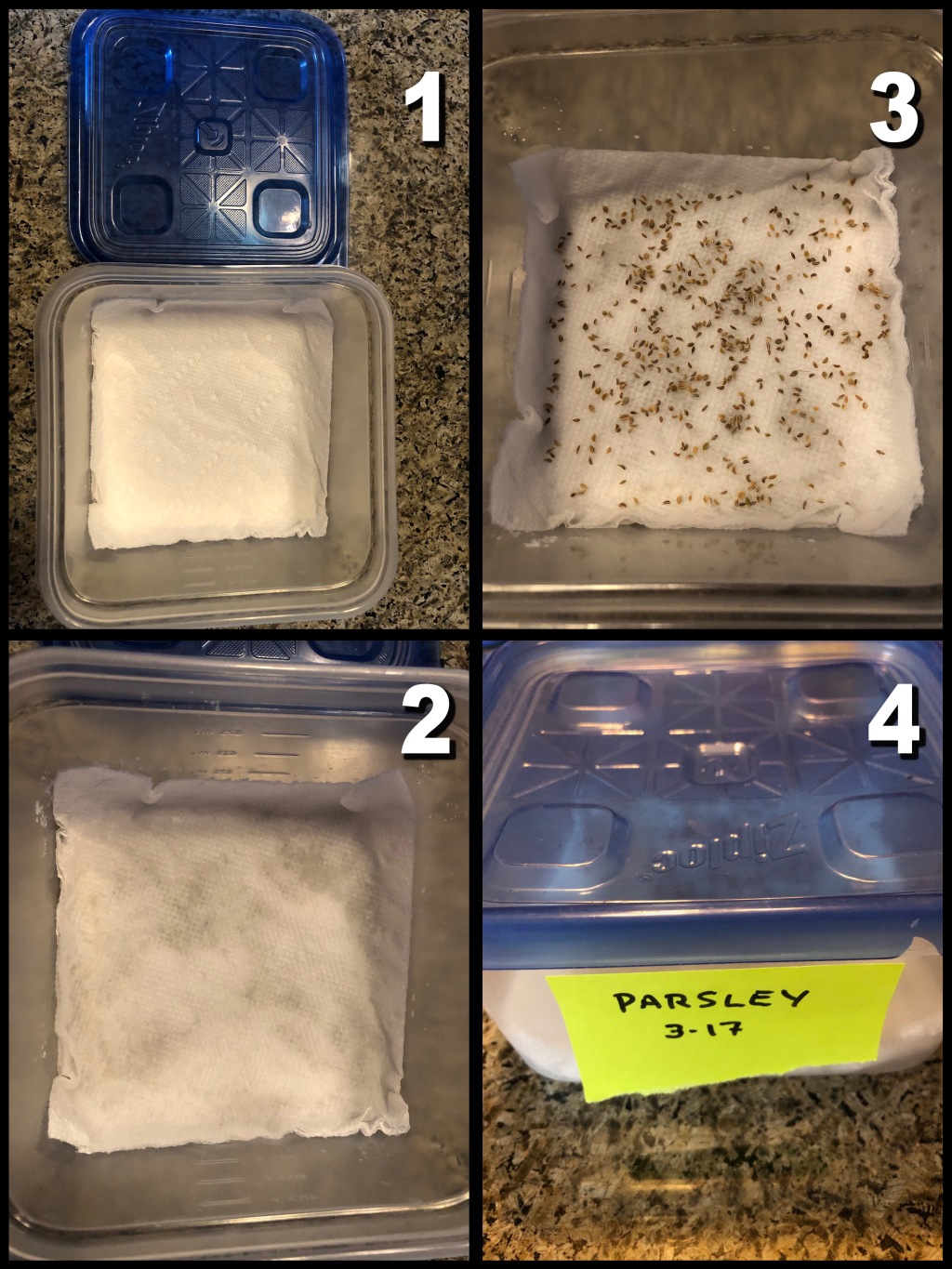
Mid-March 2024 – Zone 5 B Most seeds require steady (appropriate) moisture, and an optimal temperature to germinate.Parsley and certain other seeds (Lovage and Fennel come to mind) are notoriously difficult to plant from seeds with any degree of certainty.First, is the stated germination rate specified on the package is…
-
 Continue reading →: Kitchen Basics – Part 2 (c) Knife Skills
Basic Knife Skills – a NY Times Video We could undertake the effort to make a video (adding to the hundred+ already out there),write a long explanation of how and what are the knife skills that every commercial chef needs to master < that’s a link to a 31-page pdf.…
-
 Continue reading →: Kitchen Basics – Part 2 (b) Knives
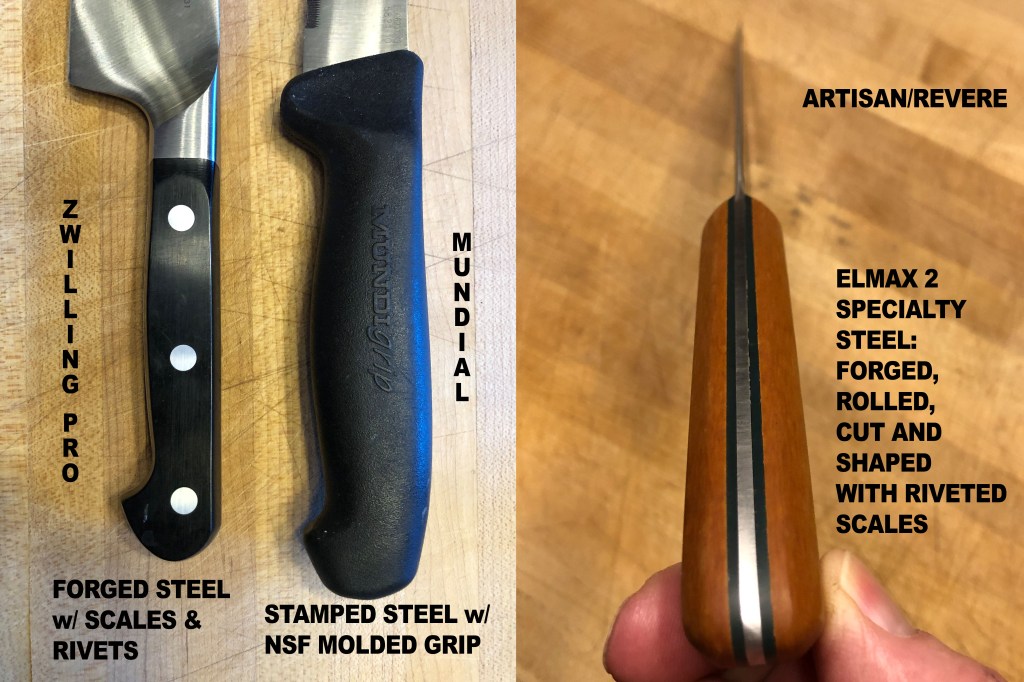
Understanding knife construction. Kitchen knives are largely segregated into two broad groups:Steel knives – the vast majority of knives sold, and…Ceramic knives – which haven’t quite taken the world by storm. I’m going to ignore ceramic knives, not out of prejudice, but rather a desire to concentrate on the items…
-
 Continue reading →: Kitchen Basics – Part 2 (a) Knives
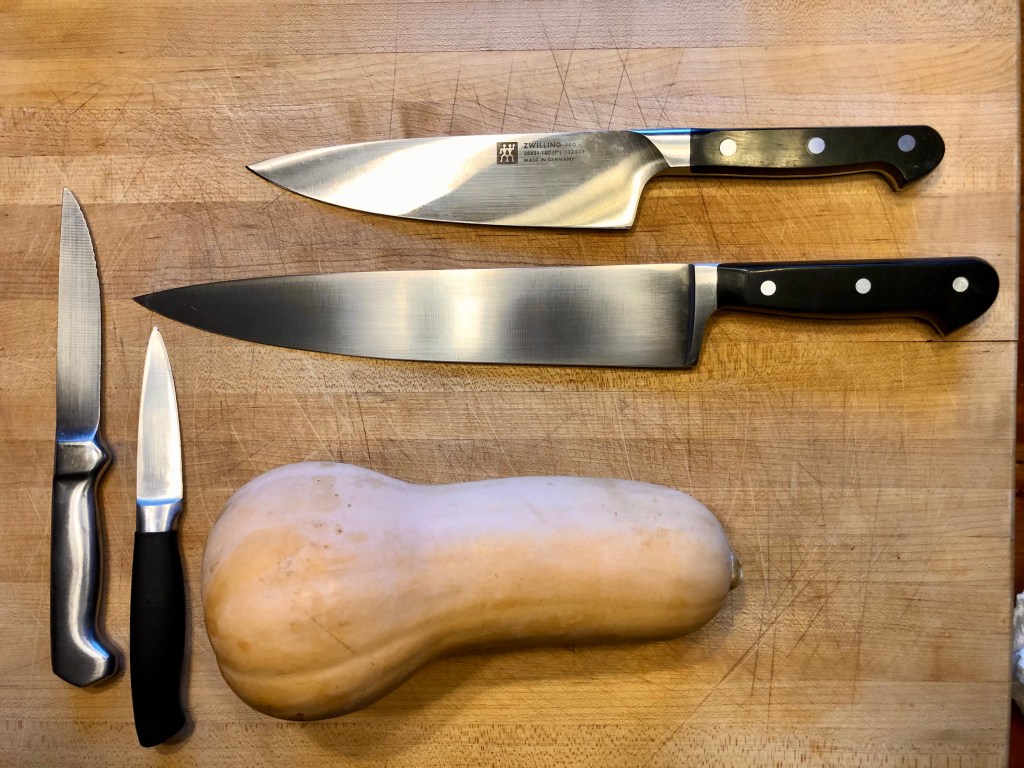
In this segment, we will explore kitchen knives in the broadest of terms.There are thousands of knives and knife styles from around the world.The typical American kitchen will use a “French” or “western pattern” knife.We use them extensively too, but not exclusively. For some tasks, an “eastern pattern” or “Asian”…
-
 Continue reading →: Kitchen Basics – Part 1
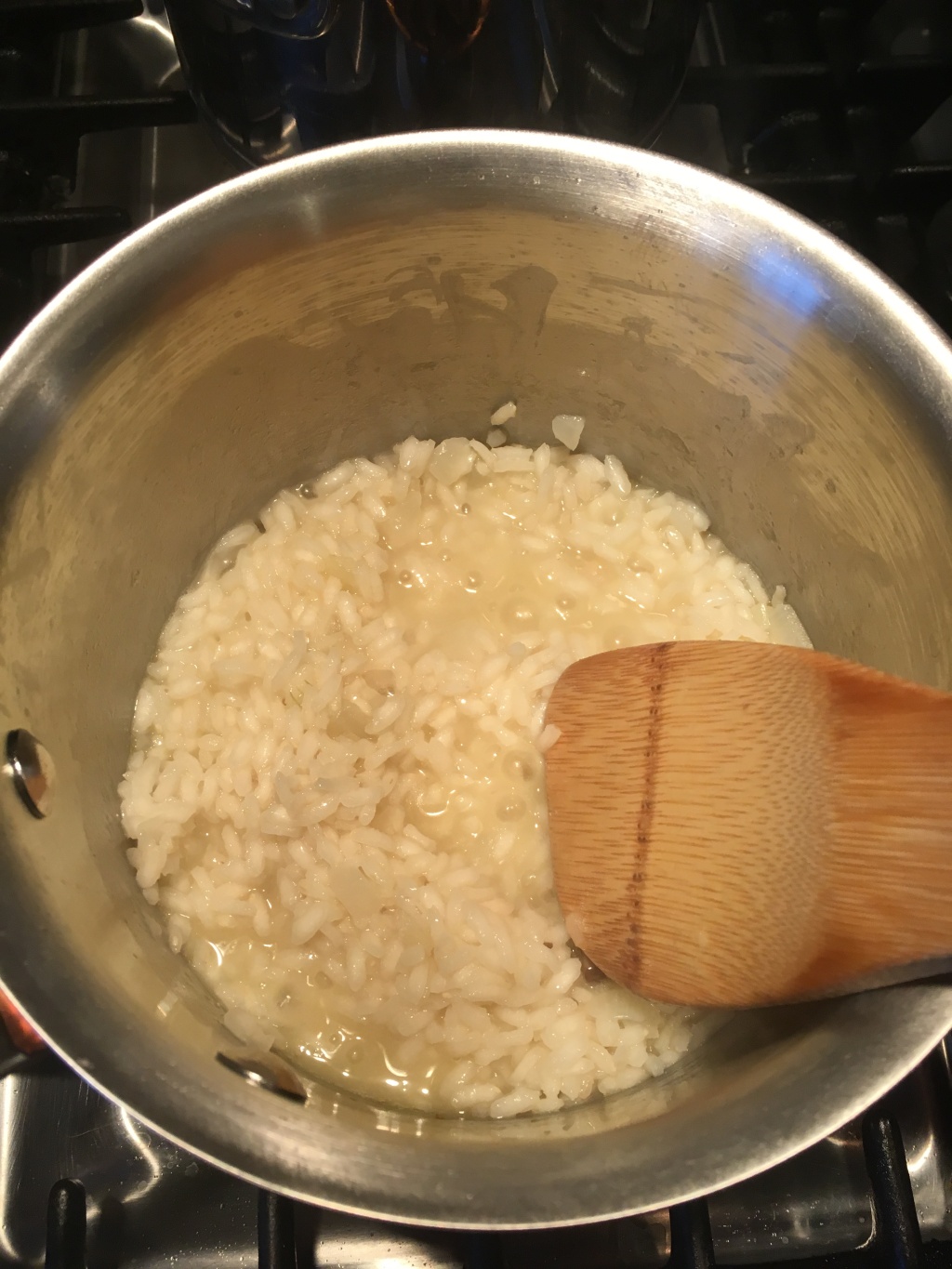
We will begin with the obvious: something to cook in.Pots and Pans.I’ve never been more frustrated, than when dealing with a stovetop that’s either too hot or too cold irrespective of markings. Compounding this problem was cheap, thin pans.Those of us above a certain age, can remember our mother’s prized…
La Cucina Povera – a term from Italy for the peasant’s kitchen. The kitchen of the poor. The Poverty Kitchen.
Welcome to The Poverty Kitchen,
La Cucina Povera – a term from Italy for the peasant’s kitchen.
The kitchen of the poor.
The Poverty Kitchen.
The concept of the poverty kitchen can be found globally and is really about making great food with simple high quality, and seasonally available ingredients.
Let’s connect
Keep in Touch
Stay updated with our latest, by joining our newsletter.





 The Poverty Kitchen